


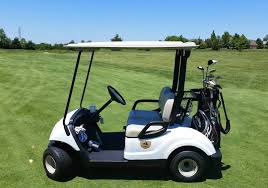
Owning a club car golf cart is not just about convenience and mobility. It is also about ensuring consistent performance, safety, and longevity through proper maintenance. Whether you rely on your cart for leisure rides, daily transport, or work related tasks, a structured maintenance routine can save you from costly repairs and unexpected breakdowns.
This comprehensive guide walks you through the ultimate checklist to keep your cart in peak condition. It also provides valuable insights for those considering a used golf cart, helping you understand what to inspect and maintain from day one.
Why Regular Maintenance Matters
A well maintained club car golf cart performs more efficiently and lasts significantly longer. Neglecting routine care can lead to battery failure, reduced speed, and mechanical issues that impact usability.
Maintenance also plays a critical role in safety. Faulty brakes, worn tires, or electrical issues can pose serious risks. By following a consistent checklist, you not only protect your investment but also ensure a smooth and secure driving experience.
Battery Care and Inspection
The battery system is the core of any electric cart. Proper care ensures optimal performance and extends its lifespan.
Start by checking battery terminals for corrosion. Clean them regularly using a safe cleaning solution and ensure all connections are tight. Loose or corroded terminals can reduce efficiency and lead to power loss.
Monitor water levels if your cart uses lead acid batteries. Refill with distilled water when necessary, but avoid overfilling. For lithium based systems, focus on maintaining proper charging habits.
Charging should be consistent and not delayed until the battery is completely drained. Keeping your battery in a stable charge cycle helps maintain its health over time.
Tire Condition and Pressure Checks
Tires directly affect ride quality, handling, and efficiency. Inspect them regularly for wear and tear.
Look for uneven tread patterns, which may indicate alignment issues. Maintain the recommended tire pressure to ensure smooth movement and prevent unnecessary strain on the motor.
Properly inflated tires also improve energy efficiency, allowing your club car golf cart to travel longer distances on a single charge.
Brake System Maintenance
A reliable braking system is essential for safety. Check the brake pads and cables periodically to ensure they are functioning correctly.
Listen for unusual noises when braking, as this could indicate worn components. If the cart takes longer to stop or feels unstable, it is time for a thorough inspection.
Adjustments should be made as needed to maintain responsive braking performance.
Electrical System and Wiring Inspection
Modern golf carts rely on complex electrical systems. Regular inspection helps prevent unexpected failures.
Check all wiring connections for signs of wear, fraying, or corrosion. Ensure that lights, indicators, and switches are functioning properly.
If you own a used golf cart, this step becomes even more important. Older wiring systems may require replacement or upgrades to ensure reliability.
Motor and Controller Health
The motor and controller are responsible for powering your cart and managing its performance.
Listen for unusual sounds during operation. A smooth and quiet motor is a sign of good health. Jerky movements or inconsistent acceleration may indicate controller issues.
Keep the motor area clean and free from debris. Dust and dirt buildup can affect performance and lead to overheating.
Cleaning and Exterior Care
Regular cleaning not only improves the appearance of your cart but also protects it from environmental damage.
Wash the exterior with mild soap and water. Avoid harsh chemicals that may damage the finish. Pay attention to areas where dirt and moisture can accumulate.
Interior components such as seats and flooring should also be cleaned to maintain comfort and hygiene.
A clean club car golf cart is easier to inspect and maintain, as potential issues are more visible.
Lubrication of Moving Parts
Proper lubrication reduces friction and wear on moving components.
Focus on areas such as suspension joints, steering mechanisms, and wheel bearings. Use appropriate lubricants recommended for your cart model.
Regular lubrication ensures smoother operation and prevents premature wear.
Steering and Suspension Check
Steering and suspension systems contribute to overall ride comfort and control.
Test the steering response to ensure it is smooth and accurate. Any stiffness or looseness should be addressed promptly.
Inspect suspension components for signs of wear or damage. A well maintained suspension system absorbs shocks effectively and enhances driving comfort.
Routine Inspection Schedule
Creating a maintenance schedule helps you stay consistent.
Daily checks may include battery level and visual inspection. Weekly checks can cover tire pressure and cleanliness. Monthly inspections should focus on brakes, wiring, and overall performance.
For those using a used golf cart, it is advisable to perform a comprehensive inspection immediately after purchase and then follow a structured schedule.
Consistency is key to preventing major issues and ensuring long term reliability.
Storage and Weather Protection
Proper storage plays a significant role in maintaining your cart.
If not in use for extended periods, store it in a dry and covered area. Exposure to extreme weather conditions can damage both electrical and mechanical components.
Use protective covers to shield your cart from dust and moisture. Disconnect the battery if the cart will remain unused for a long time.
These steps help preserve the condition of your club car golf cart and reduce maintenance needs.
Upgrades and Preventive Enhancements
Maintenance is not just about fixing problems. It is also about improving performance.
Consider upgrading components such as batteries, tires, or lighting systems to enhance functionality. Preventive enhancements can improve efficiency and extend the lifespan of your cart.
For example, switching to a more advanced battery system can reduce maintenance requirements and improve range.
Signs Your Cart Needs Immediate Attention
Being proactive is essential, but recognizing warning signs is equally important.
Watch for symptoms such as reduced speed, unusual noises, difficulty starting, or inconsistent performance. These issues often indicate underlying problems that require immediate attention.
Ignoring these signs can lead to more serious and costly repairs.
Maintenance Tips for Used Golf Carts
Buying a used golf cart can be a cost effective option, but it requires extra diligence.
Start with a thorough inspection of the battery, motor, and frame. Check service history if available. Replace worn out components and establish a maintenance routine from the beginning.
A well maintained used golf cart can perform just as reliably as a new one when given proper care.
Cost Efficiency Through Maintenance
Regular maintenance may seem like an added effort, but it significantly reduces long term costs.
Preventive care minimizes the risk of major repairs and extends the lifespan of key components. It also ensures that your cart operates efficiently, reducing energy consumption.
Investing time in maintenance ultimately leads to better value and performance.
Maintaining your club car golf cart does not have to be complicated. With a structured checklist and consistent effort, you can ensure reliable performance, enhanced safety, and long lasting durability.
Whether you own a brand new model or a used golf cart, the principles of maintenance remain the same. Pay attention to key components, follow a regular schedule, and address issues promptly.
A well cared for golf cart is more than just a vehicle. It is a dependable companion that delivers convenience and enjoyment for years to come.
